Kognitivní paměť NCM představuje novou technologii pro uchovávání informací, vytvořenou na míru novým
potřebám práce v oblasti AI. Představujeme její první generaci.
NCM dává AI persistentní paměť, která zůstává u vás a funguje napříč modely. Na ní stavíme nástroje pro práci
s AI, BioCortexAI Firemní asistenty i herní postavy, které si pamatují.
Chat & Creatives a Coding & Agents jsou dostupné. Ostatní produkty běží v interním provozu nebo ve vývoji, u každého je to označené.
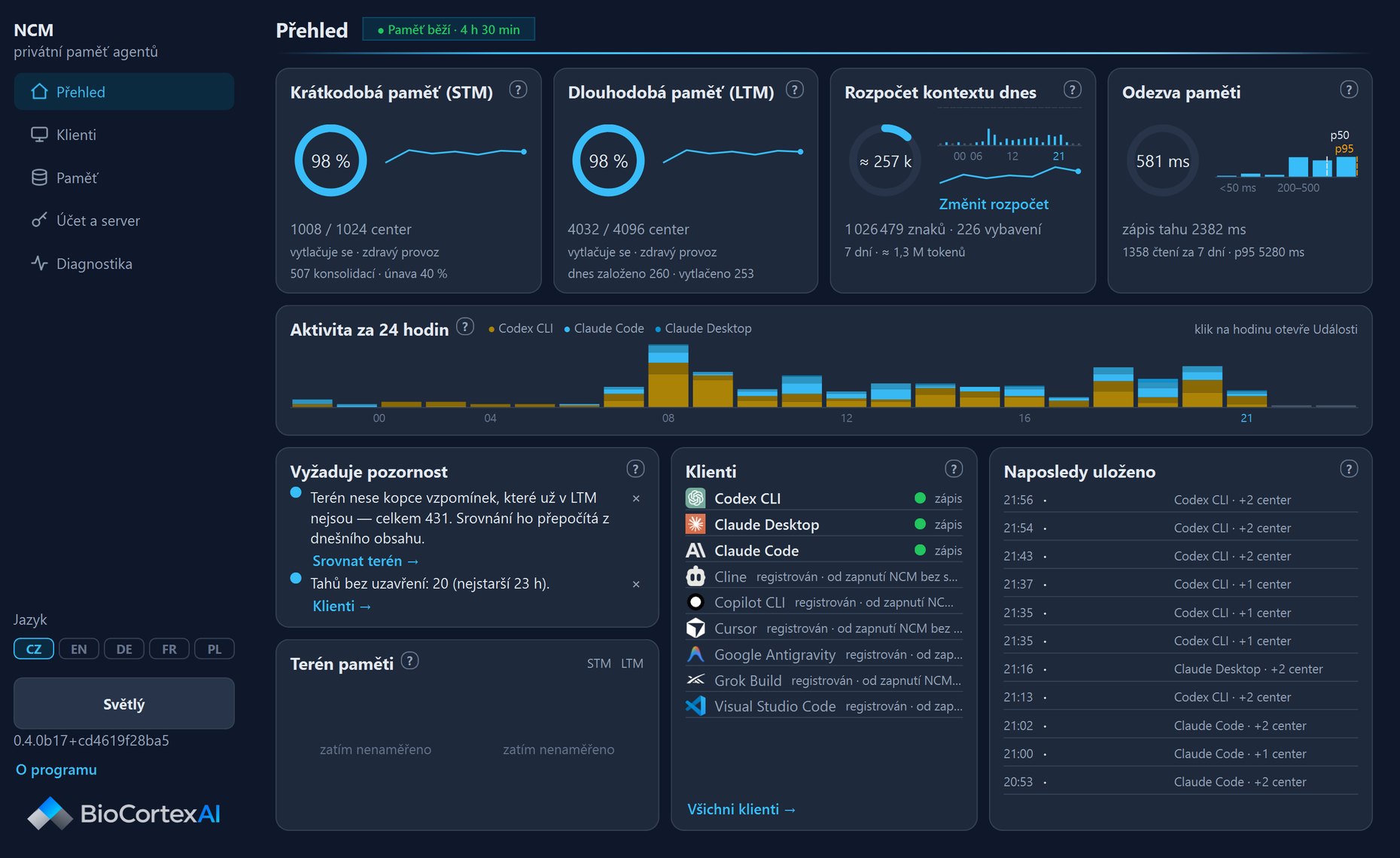
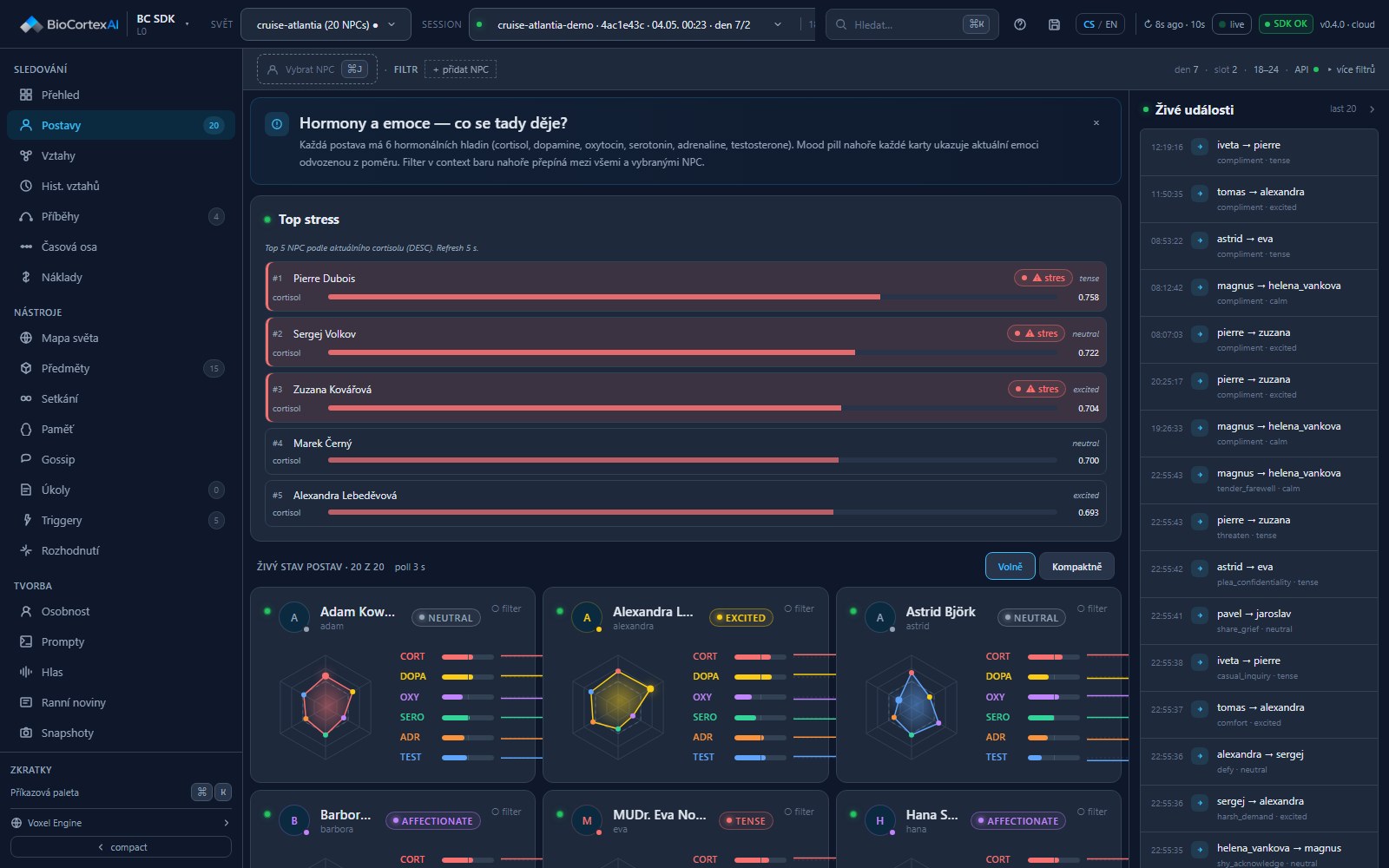
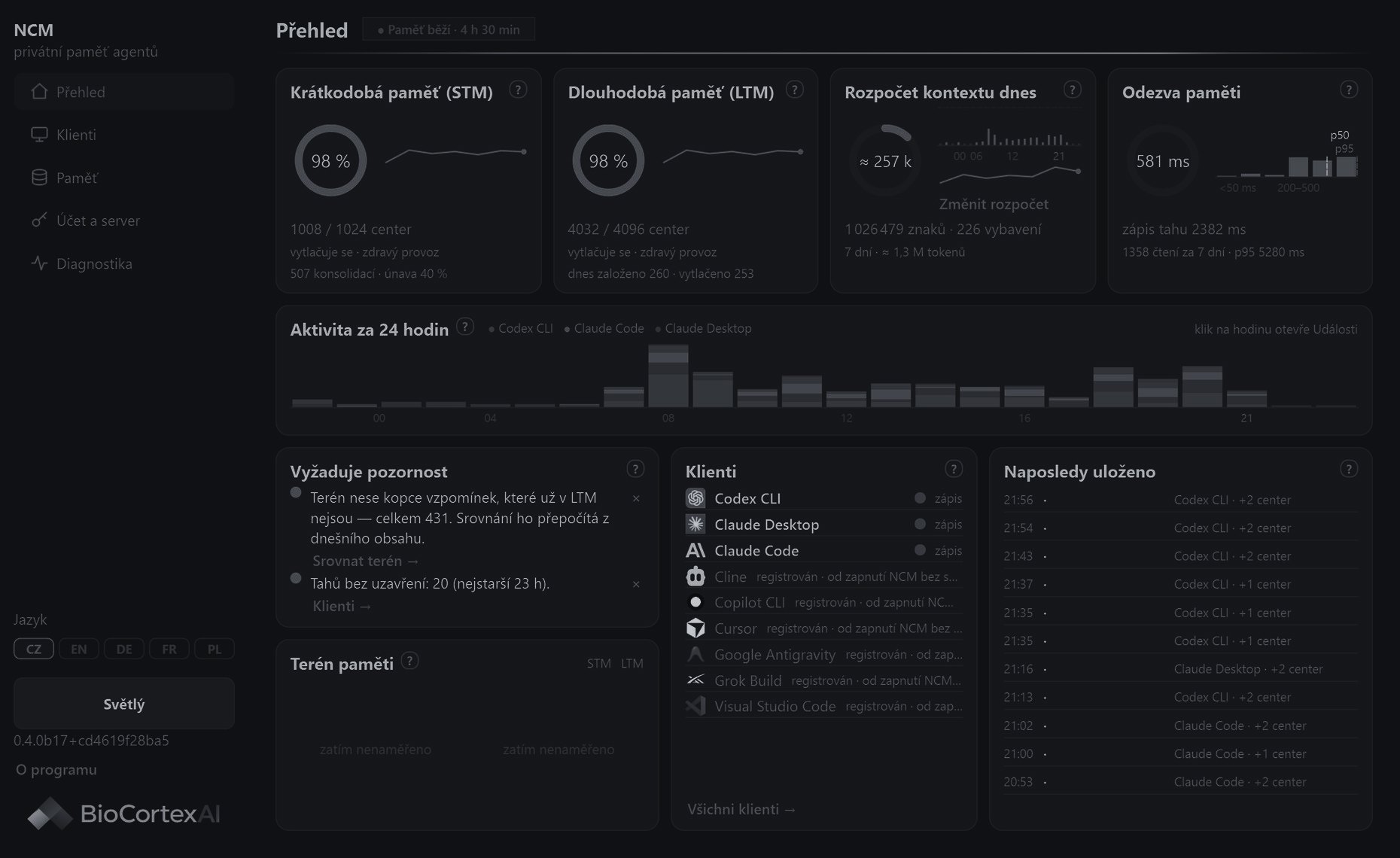
Coding & Agents: skutečný dashboard z vlastního provozu.
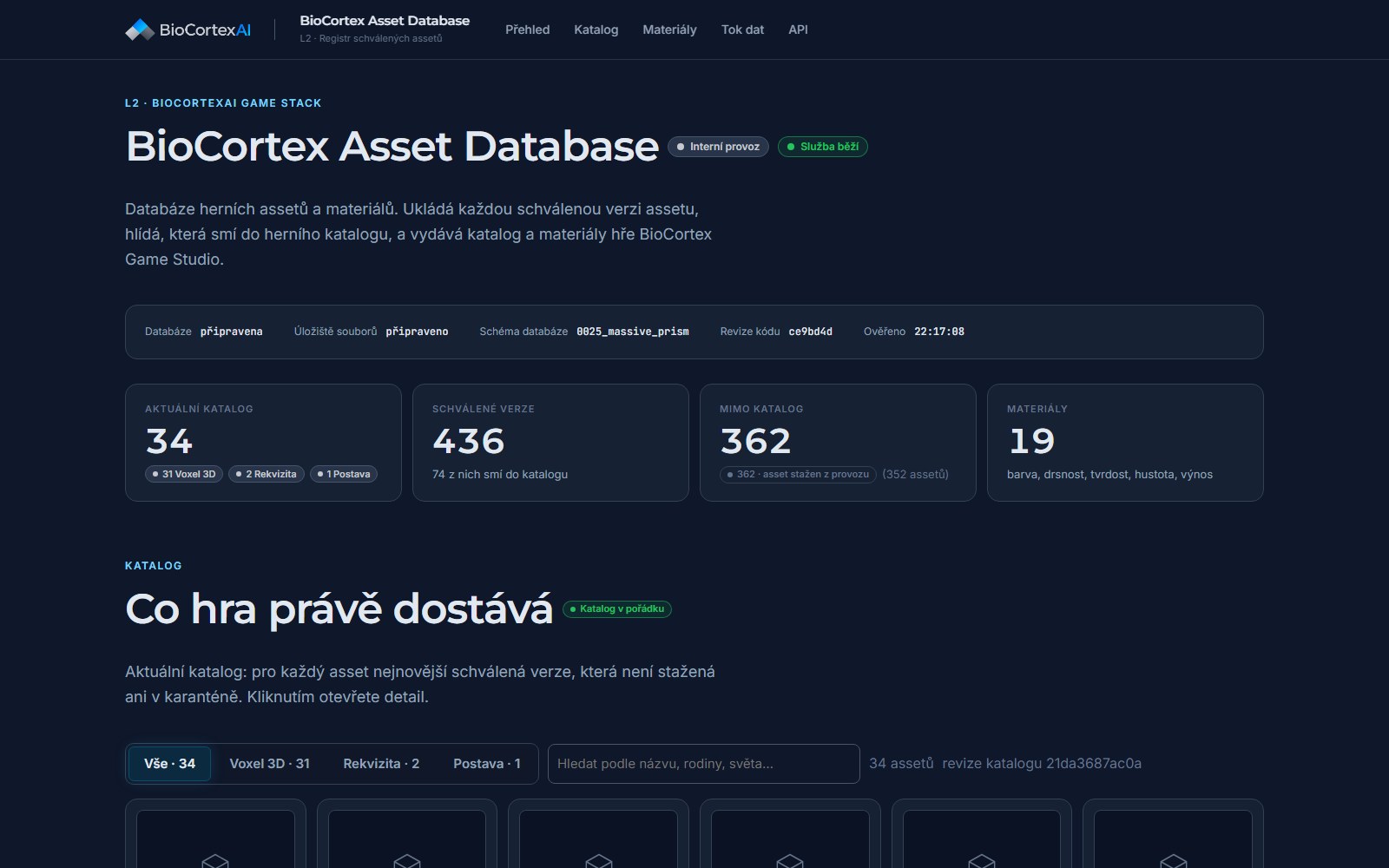
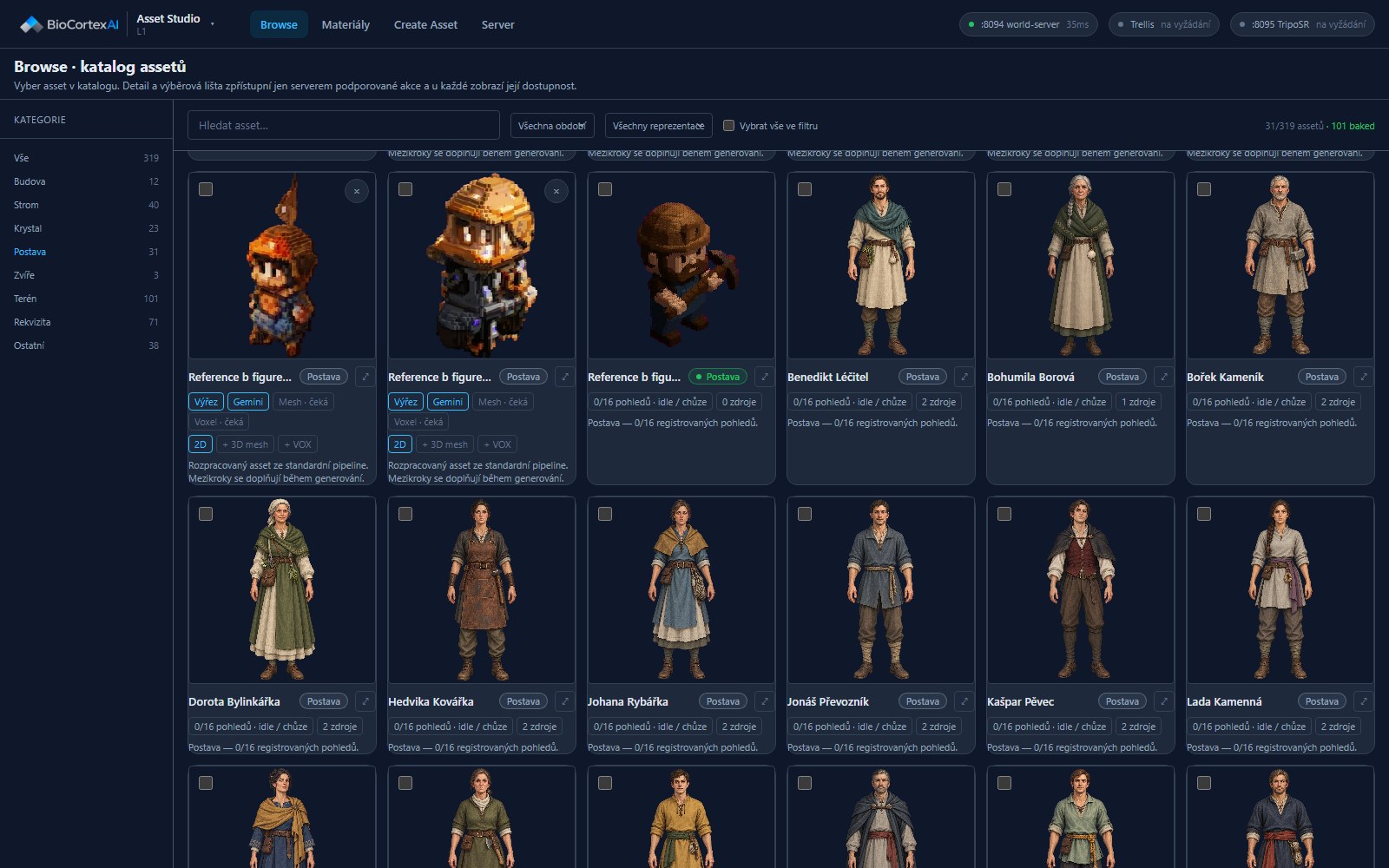
Produkty stojí ve vrstvách na paměťovém jádru NCM: nahoře je jádro, každá další vrstva stojí na té nad ní. Kliknutím na produkt otevřete podrobnosti a odkaz přímo na něj.

Každý produkt řeší jinou stránku téhož problému: aby AI nezačínala pokaždé od nuly. U každého je vidět, jestli je dostupný, běží v interním provozu, nebo ho teprve stavíme.
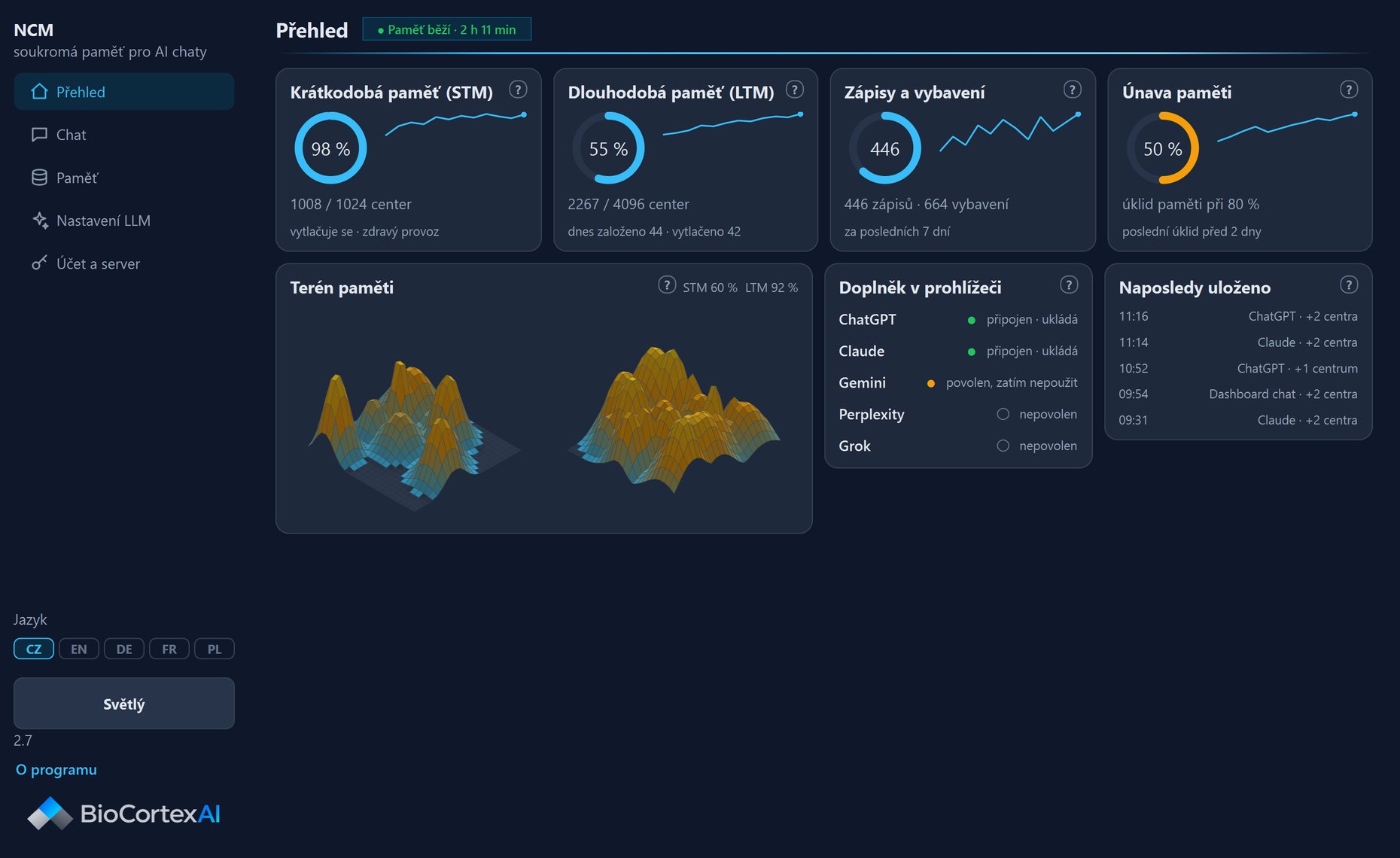
Lokální chat pro Ollama modely a BYOK propietární modely, a dále rozšíření prohlížeče, které dá webovým AI chatům společnou paměť. Co probíráte v ChatGPT, si pamatuje i Claude nebo Gemini. Do dotazu vloží jen několik vybraných vzpomínek, nikdy celou paměť. Pracuje také s Perplexity a Grokem, pokud je povolíte.
Lokální paměťový server s MCP protokolem pro AI agenty a kódovací nástroje. Claude Code, Codex, Cursor a další si přes něj pamatují rozhodnutí, opravy a souvislosti z předchozích sezení. Paměť je oddělená podle projektů a běží na vašem počítači.
Team & Business je edice Coding & Agents speciálně pro týmy a firmy. Paměť nebude jen osobní: tým bude sdílet, co se naučil, a každý uvidí jen to, k čemu má oprávnění. Stojí na paměťovém jádru NCM, vstupuje do ní vrstva PlantNet a nad ní stojí BioCortexAI Safety & Trust.
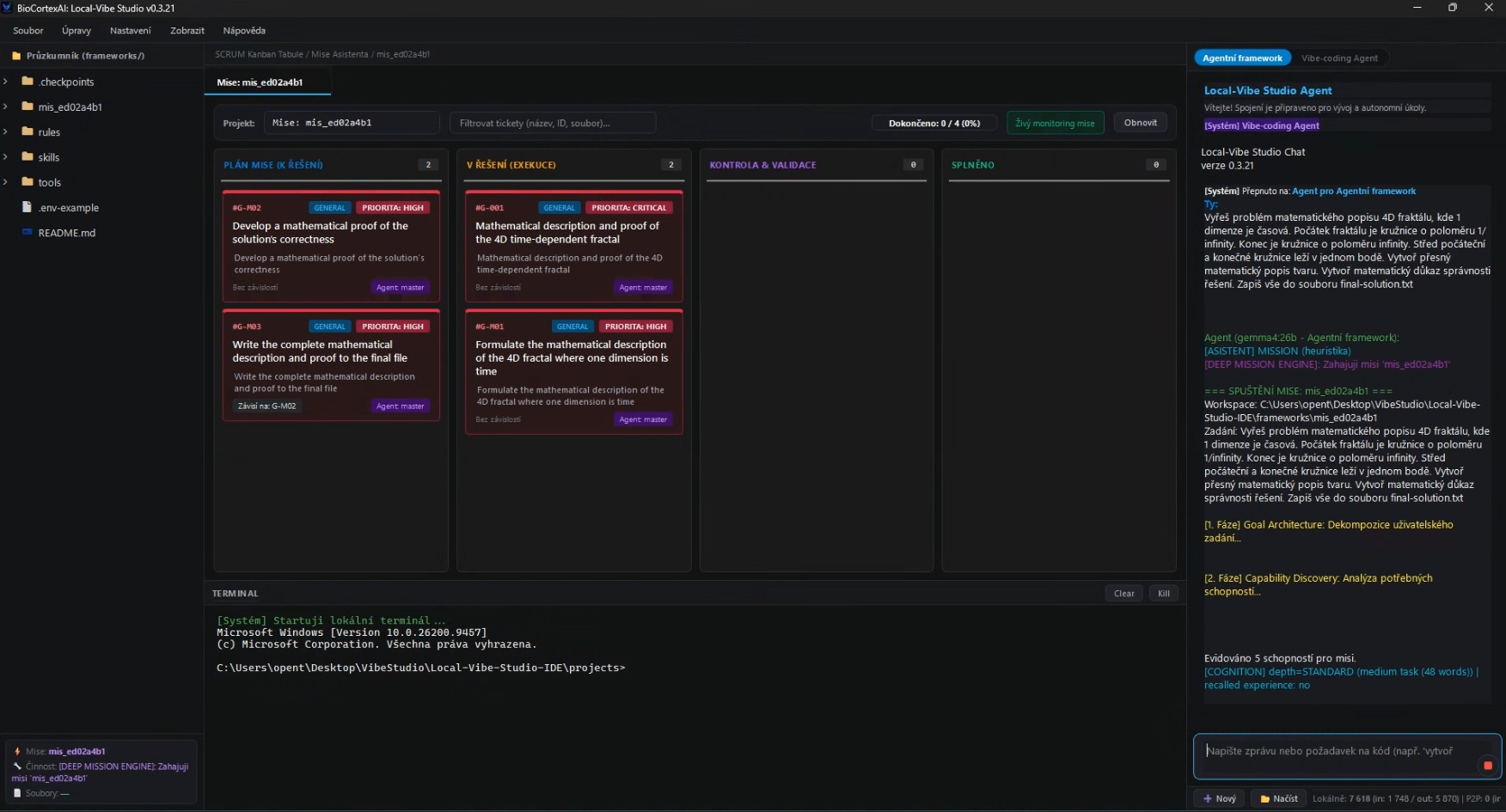
Desktopové vývojové a agentní prostředí, které běží offline nad lokálními modely. Jednoduše popíšete běžnou řečí v čem je problém a self-bootstrapping meta-agent vše navrhne, naplánuje, napíše, zkontroluje a provede. Rizikové kroky schvaluje člověk a před každou změnou vzniká záloha.
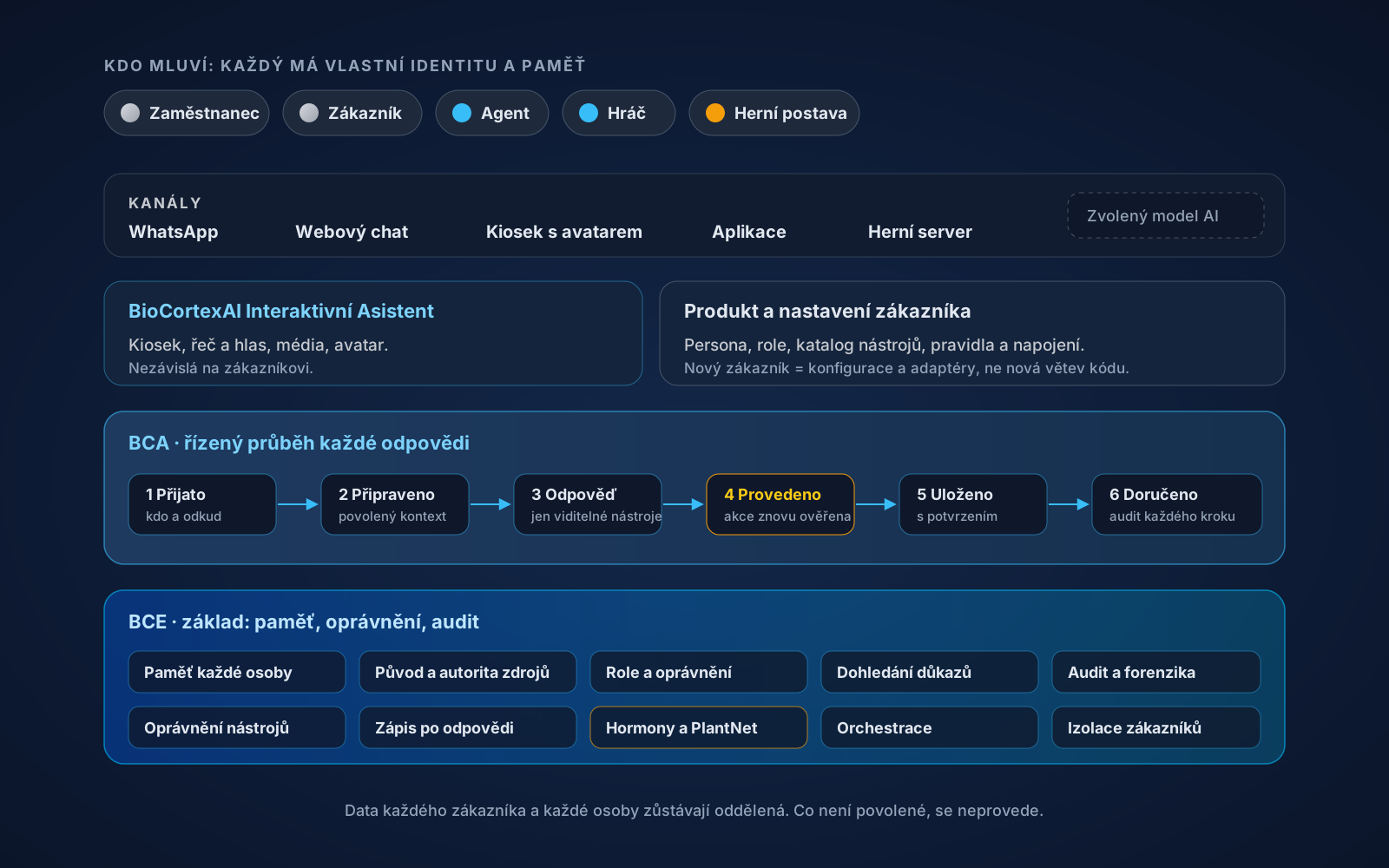
Základ pro AI systémy, které obsluhují víc lidí najednou: zaměstnance, zákazníky, agenty, hráče nebo herní postavy. Každý má vlastní identitu, paměť a oprávnění. Každá odpověď prochází řízeným průběhem: ověří, kdo se ptá, načte jen povolený kontext, každou akci před provedením znovu zkontroluje a všechno zapíše do auditu.
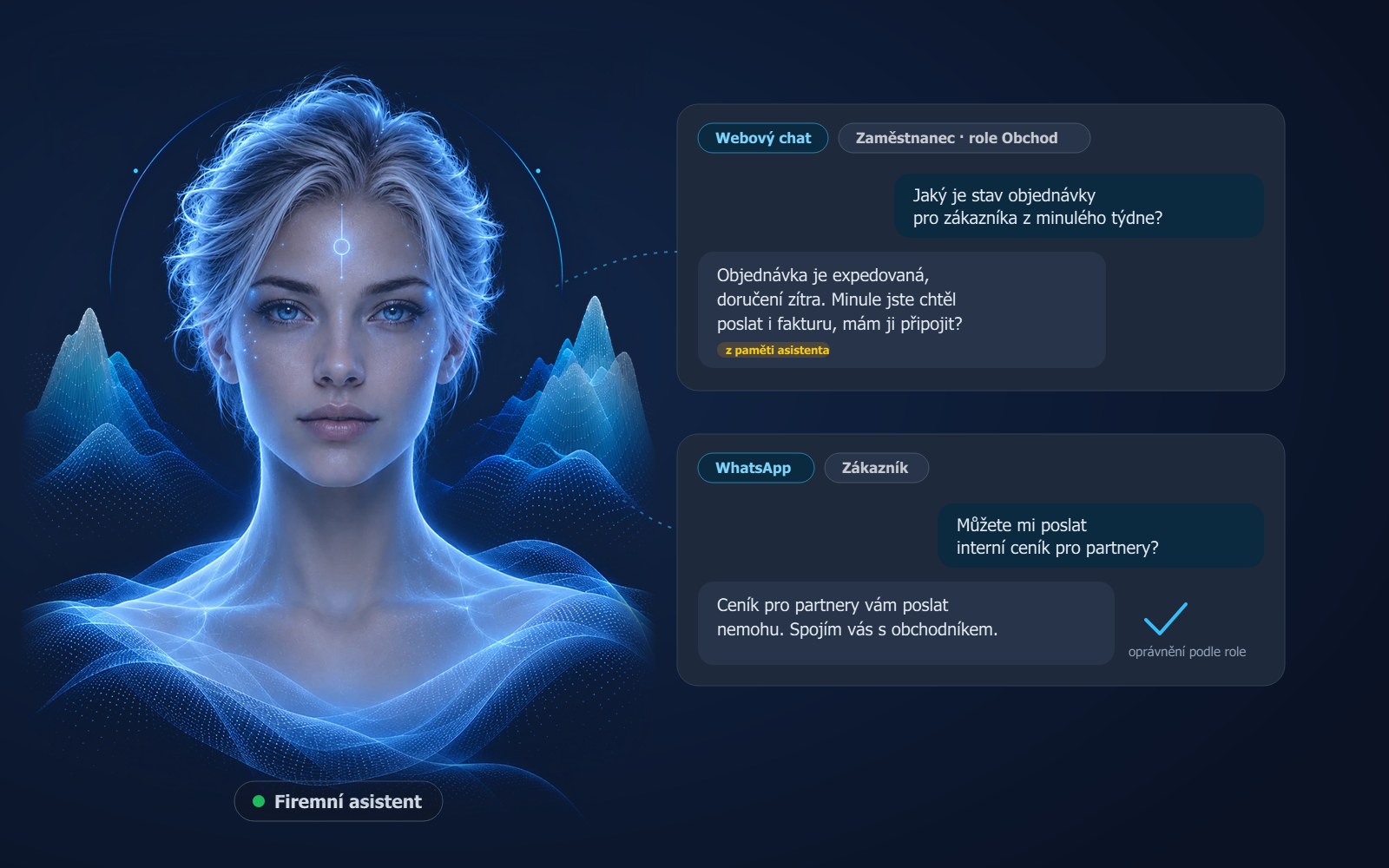
Asistent odpovídá zaměstnancům i zákazníkům přes WhatsApp, webový chat nebo kiosek. Pamatuje si předchozí rozhovory s každým člověkem zvlášť a podle jeho role ví, co mu smí říct a co za něj smí udělat. Stojí na BioCortexAI Safety & Trust.
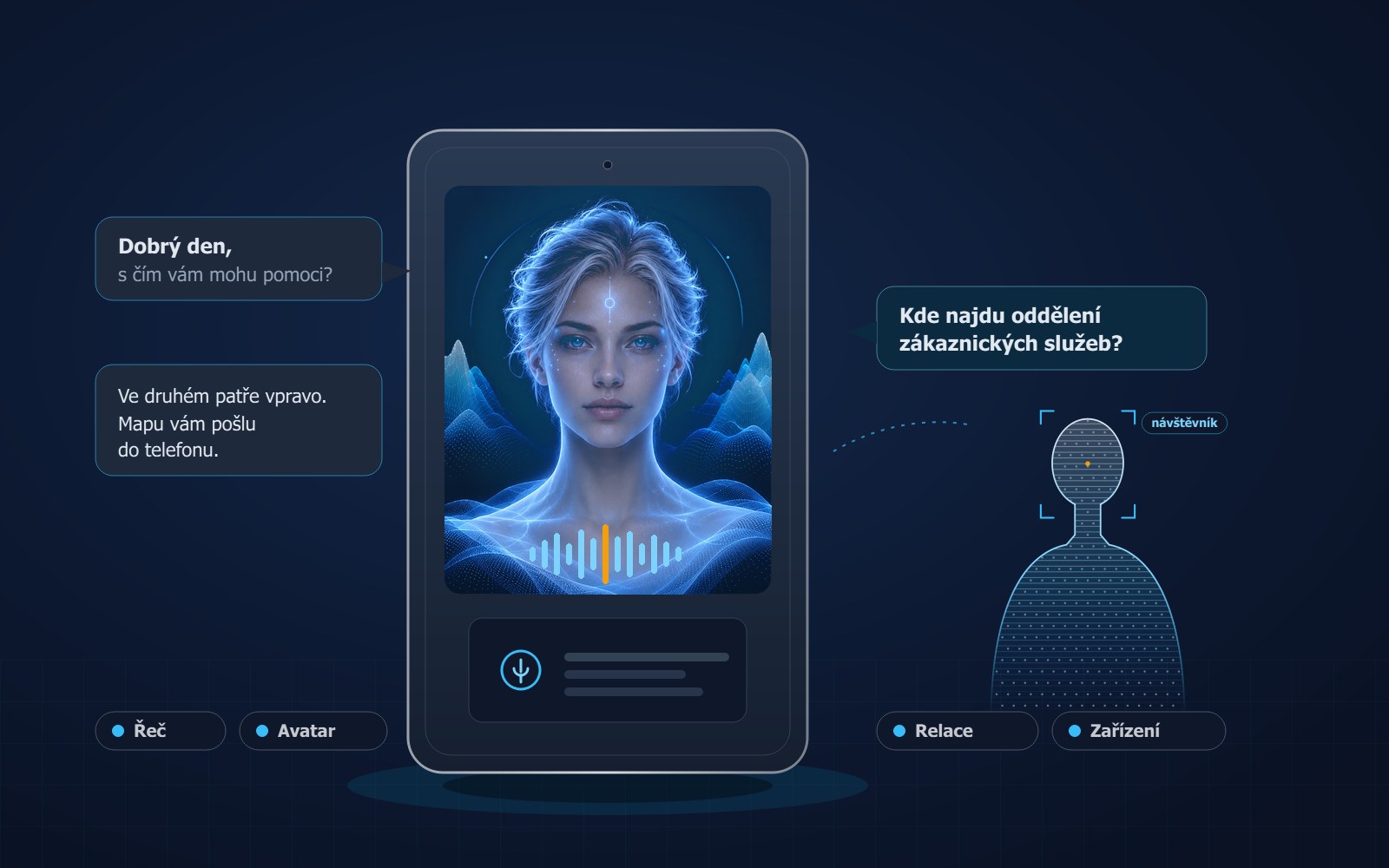
Vrstva, přes kterou asistent mluví a vidí: kiosek s obrazovkou, rozpoznávání a syntéza řeči, média a avatar s obličejem. Nezávisí na konkrétním zákazníkovi, takže stejný kiosek může sloužit na recepci, v prodejně nebo na veletrhu. Avatar je živě renderovaná pohyblivá postava: při řeči hýbe rty a mimikou, gestikuluje a jeho pohyby i oblečení si nastavíte.
PlantNet je síť inspirovaná tím, jak rostliny koordinují chování pomalými chemickými signály. Simuluje biologický žlázový systém. Tkáň 9 × 11 buněk nese digitální analogii čtyř hormonů: dopamin, serotonin, kortizol a oxytocin. Buňky reagují na nejistotu modelu, změnu reprezentací, sentiment a kontext, předávají signál sousedům a podle toho mění pozornost a styl odpovědi. Každá buňka má navíc vlastní asociativní paměť.
SDK, které dává postavám ve hrách paměť, emoce a vztahy. Postava si pamatuje, co se jí stalo, mění podle toho náladu a chování a o událostech si s ostatními povídá. Herní engine pošle událost, SDK vrátí dialog, emoce a změny vztahů.
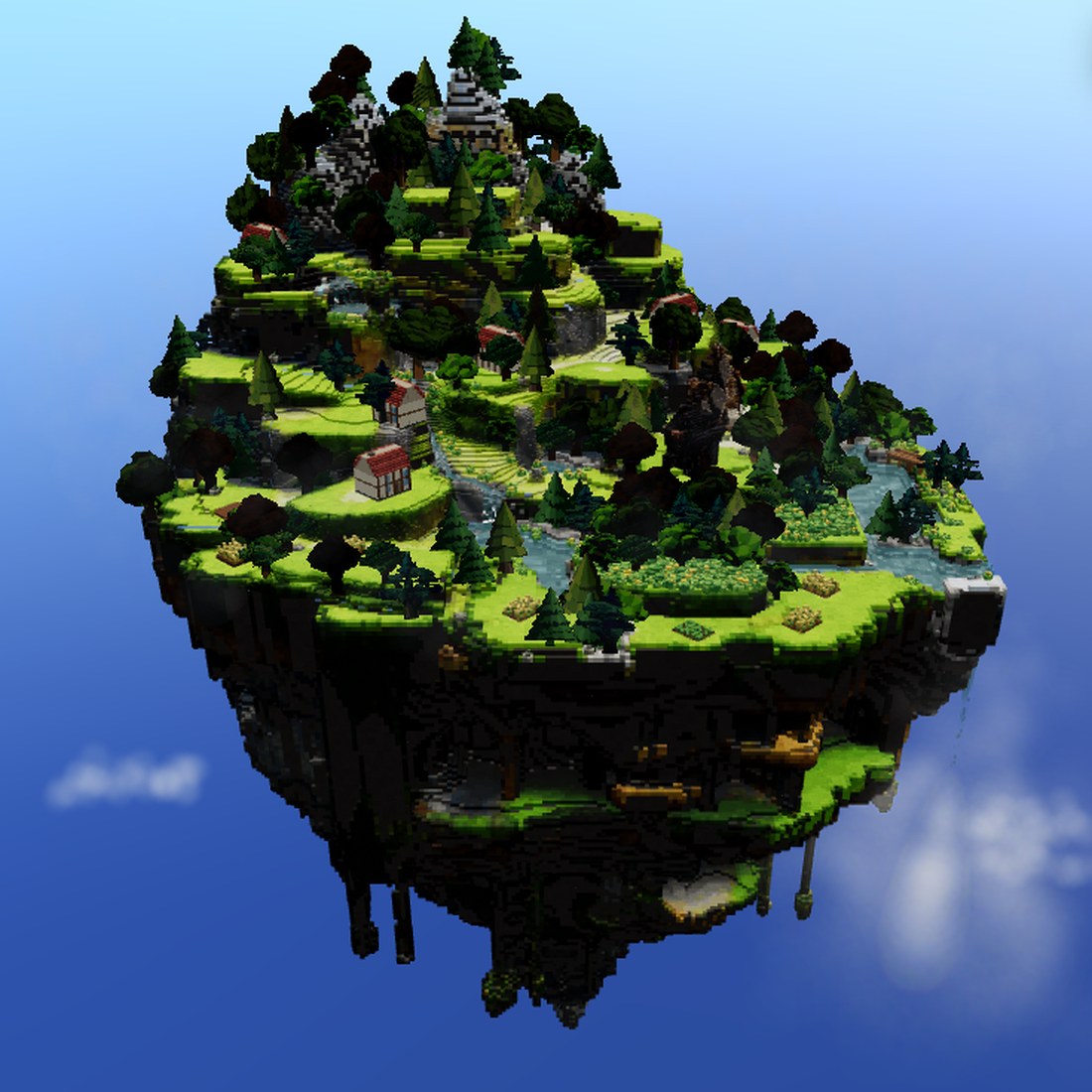
Voxelový svět v prohlížeči s editorem. Do světa se vkládají jen schválené assety z BioCortexAI Asset Database, editor hlídá pravidla umístění a kolize. Svět slouží jako přehlídka postav z BioCortexAI SDK.
Nástroj, který z textového popisu nebo obrázku vytvoří herní asset a zapíše ho do BioCortexAI Asset Database. BioCortexAI Game Studio ho volá přímo, když generuje assety a ukazuje náhledy materiálů.
Registr všech herních assetů a jejich schválení. Assety do něj zapisuje BioCortexAI Asset Studio, BioCortex Game Studio do něj posílá návrhy ke schválení a bere z něj jen schválený katalog.
NCM je první technologie, která nabízí přenositelné kontextové vědomí napříč různými AI modely.
Databáze uchovávají znalosti.
Kognitivní paměť NCM uchovává také zkušenosti, jejich souvislosti a
vztahy. To vše je bezpečně uloženo v jediném souboru *.ncm pod vaší 100%
kontrolou.
Technologie NCM umožňuje pamatovat si nejen jednotlivé informace, ale také jejich kontext napříč různými událostmi a záznamy, včetně vzájemných vazeb, příčin a důsledků. Díky tomu lze informace vnímat v širších souvislostech, nikoli pouze jako izolovaná data.
Pro chaty v prohlížeči je Chat & Creatives, pro AI agenty a kódovací nástroje Coding & Agents. Předplatitelé MCP Serveru dostanou funkce Web Pluginu v ceně.
Již brzy
Inspirace pochází z lidské biologie a způsobu, jakým mozek přirozeně vrství zkušenosti. Příkladem je podnět
„napsat e-mail šéfovi“ (nebo obecně asistence při komunikaci):
- Asociace I. řádu: Systém nevybaví jen generickou šablonu formálního dopisu, ale konkrétní epizodickou
zkušenost z minula — situaci, kdy odeslání příliš dlouhého a nejasného e-mailu způsobilo nedorozumění a
zdrželo celý projekt.
- Asociace II. řádu: Z této vzpomínky okamžitě vyvstane hlubší souvislost — vědomí, že tento konkrétní
člověk čte zprávy jen na telefonu, preferuje tři stručné odrážky a na dlouhé odstavce reaguje
podrážděně.
Paměť se aktivuje podle relevance a důležitosti pro danou chvíli.
Kognitivní paměť NCM dodává kontextuální zkušenost, kterou statické vyhledávání neumí zachytit. Měřítkem zde
není faktická přesnost, ale praktická užitečnost v reálné situaci.
